Dry Riser System ITM Best Practices for Enhanced Fire Safety in Commercial Buildings
Understanding the Critical Role of Dry Riser Systems in Building Safety
Dry riser systems are a fundamental component of fire protection strategies in multi-story buildings. These systems are designed to provide a reliable water supply to firefighting services, enabling them to combat fires swiftly and effectively. Let’s delve into how these systems function, the risks associated with their malfunctions, and the essential practices to ensure they operate as intended.
How Does a Dry Riser System Work?
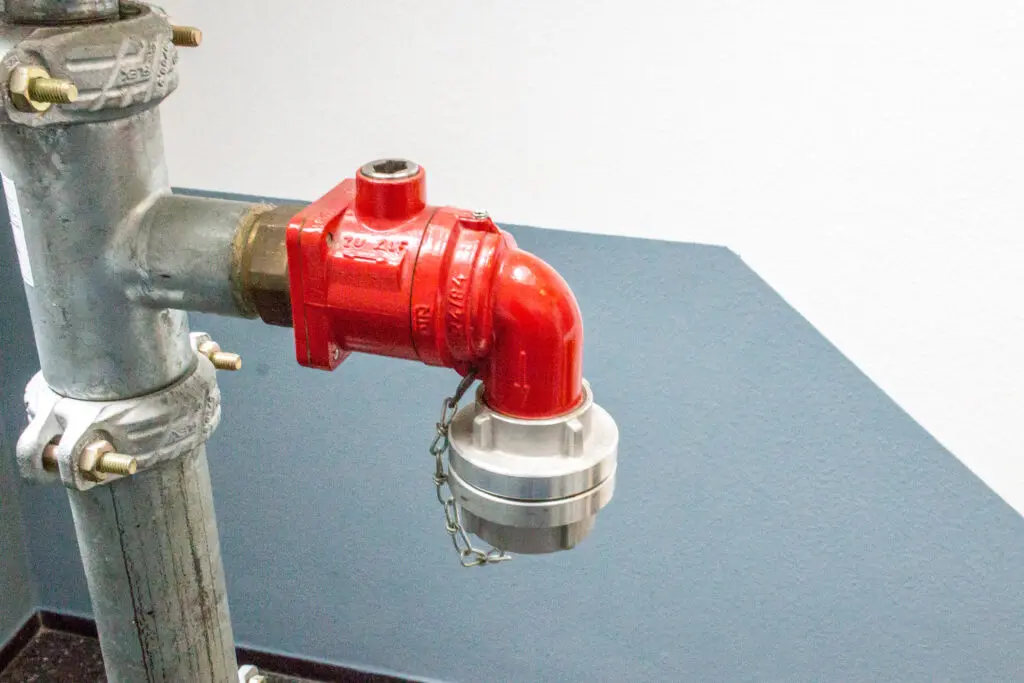
Essentially, a dry riser is a vertical pipe fitted into a building that is equipped with inlet connections at fire brigade access level and landing valves on various floors. They are not constantly filled with water. Hence, they must be connected to a pressurized water source by the fire services during a firefighting operation. This setup is crucial in buildings between 18 meters and 60 meters tall, where reaching high levels quickly is challenging.
Key Components:
- Inlet connection
- Landing valves at each floor
- Check valve to prevent backflow
- Drain valve to empty the system post-use
Dry Riser System Insights: ITM Best Practices for Fire Safety
To ensure the operational readiness of dry riser systems, regular inspection, testing, and maintenance (ITM) must be conducted in accordance with NFPA 25. This standard provides the framework for the care of these systems, stressing the importance of adhering to code compliance to minimize risks.
Common Risks and Compliance Failures
The absence of regular maintenance or compliance can lead to several risks, including:
- Blocked or damaged valves impeding water flow
- Leaks in the system, reducing water pressure, are crucial for firefighting
- Corrosion leading to system failure over time
Preventative Measures to Mitigate Risks
Addressing these risks involves regular scheduled check-ups that include:
- Annual pressure tests to ensure no leakage and proper flow rates
- Six-monthly inspections of all valves and joints for operational integrity
- Immediate repairs of any identified issues to maintain compliance with local authority guidelines
Practical Compliance Guidance and Safety Assurance
Adhering to NFPA regulations and the local Authority Having Jurisdiction (AHJ) requirements not only ensures legal compliance but also enhances the reliability of your building’s fire safety measures. Facility managers and building owners must ensure systems are accessible and maintained to effectively benefit from these protective measures.
Why Regular ITM is Non-Negotiable
Evidently, the role of ITM is not merely a statutory requirement but a cornerstone of proactive fire safety management. Ensuring your dry riser system is inspected and maintained by certified professionals is paramount. Here’s why:
- It ensures the system’s functionality during emergencies, potentially saving lives and property.
- It reduces the overall risk and liability for property managers and owners.
- It guarantees compliance with fire safety codes, avoiding legal repercussions and fines.
FAQs on Dry Riser Systems
What buildings require a dry riser system?
Generally, any building with a floor 18 meters above ground level necessitates a dry riser system to meet fire safety standards.
Who is responsible for maintaining a dry riser system?
Building owners and facility managers are directly responsible for the upkeep and compliance of their fire safety systems, including dry risers.
How often should a dry riser system be checked?
Annual and six-monthly checks are recommended, aligning with NFPA 25 guidelines and local codes.
Conclusion: Ensuring Operational Certainty and Compliance
In conclusion, effective management of a dry riser system is integral to maintaining building safety and regulatory compliance. Regular and thorough inspection, testing, and maintenance not only support functionality but also affirm your commitment to safety and legal accountability. Adopting these best practices will safeguard your property, occupants, and assets while reinforcing trust in your property’s fire safety measures.