Expert Guide to Kitchen Suppression Systems in Houston TX: Ensuring Commercial Fire Safety
Understanding Kitchen Suppression Systems in Houston, TX
Kitchen suppression systems are critical for ensuring fire safety in commercial kitchens across Houston, TX. As a building owner or facility manager, understanding the components, risks, and code requirements of these systems is not just beneficial—it is a regulatory necessity.
The Problem: High-Risk Environments
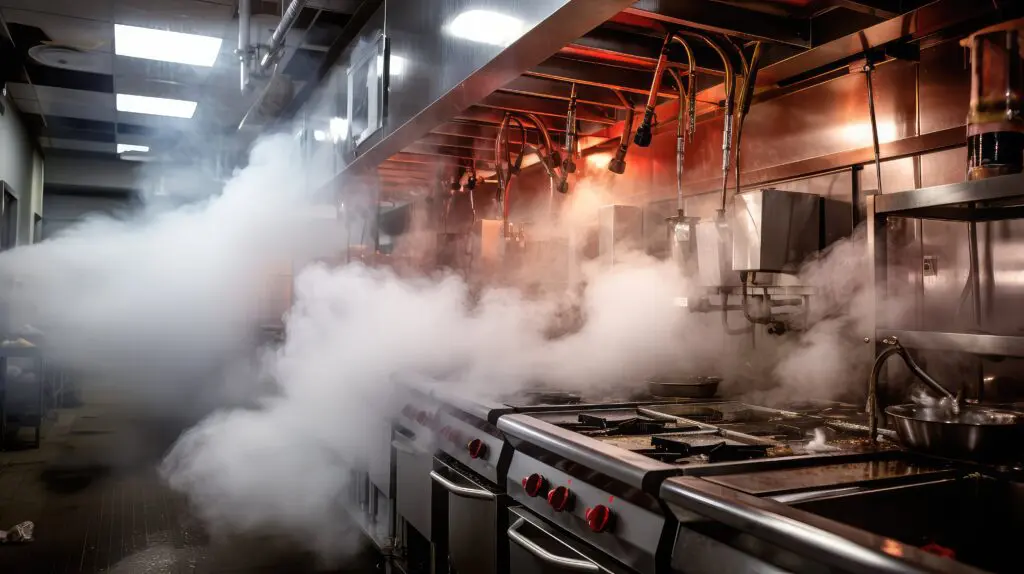
Commercial kitchens pose a high fire risk due to the presence of flammable cooking oils, high temperatures, and busy, often chaotic environments. The combination significantly increases the potential for fire incidents, demanding robust fire suppression solutions.
The Risk: Potential Property Damage and Safety Hazards
Without adequate suppression systems, a fire can lead to considerable property damage and pose serious safety hazards to staff and patrons. The interruption in business operations not only affects financial stability but also impacts compliance with safety regulations.
Compliance and Regulatory Guidance
Kitchen fire suppression systems in Houston are governed by NFPA 17A (Standard for Wet Chemical Extinguishing Systems) and local codes set by Authority Having Jurisdiction (AHJ). These guidelines ensure systems are effective in the unique challenges of a kitchen environment.
The Solution: Installation and Maintenance of Kitchen Suppression Systems
Implementing an effective kitchen suppression system involves both choosing the right technology and adhering to regular maintenance schedules. Systems must be inspected semi-annually and maintained according to NFPA requirements to ensure functionality and compliance.
Houston Commercial Fire Safety: Expert Insights on Kitchen Suppression Systems
Choosing the Right System
- Wet Chemical Systems: Most commonly used, effective against grease and oil fires.
- Dry Chemical Systems: Suitable for larger commercial kitchens with complex risks.
Installation Considerations
Installation should be performed by a certified professional who can ensure that the placement and density of nozzles and the agent distribution are optimal for your specific kitchen layout.
Maintenance Compliance
Regular maintenance checks are mandated to both prevent system failures and to comply with local regulations. Neglecting this can lead to non-compliance fines and heightened risk of fire.
Facility Readiness: Ensuring Operational Continuity
Education and Training
Training staff on the proper use of kitchen suppression systems is crucial. Employees should understand how to activate the system manually and what steps to follow in an emergency.
Routine Inspections
Conducting routine inspections can identify potential issues before they result in system failures during critical times. These inspections also ensure compliance with Houston fire safety codes.
FAQs on Kitchen Suppression Systems Houston TX
How often should kitchen fire suppression systems be inspected?
Semi-annual inspections are required by NFPA standards.
What is the best type of fire suppression system for a small cafe?
Wet chemical systems are typically recommended due to their effectiveness against common kitchen fires.
Can a system be customized for a unique kitchen layout?
Yes, systems can and should be tailored to the specific needs and risks of each kitchen configuration.
Conclusion: Prioritizing Safety and Compliance
The implementation of kitchen suppression systems in Houston, TX should be viewed through the lens of protection, compliance, and operational continuity. Understanding and adhering to local regulations, ensuring routine maintenance, and educating your team are all crucial steps in managing fire risks effectively. Prioritize these systems to protect your investments, ensure the safety of your employees and patrons, and maintain uninterrupted operations.