Expert Fire Suppression Systems in Los Angeles CA: Compliance and Code Insights
Understanding Fire Suppression Systems in Los Angeles, CA
For building owners and facility managers in Los Angeles, understanding the importance of effective fire suppression systems is crucial. These systems serve as frontline defense against fire hazards, safeguarding both property and lives. This discussion delves into the types, regulatory norms, and compliance specifics necessary for adhering to local and national safety codes.
The Need for Fire Suppression Systems
In Los Angeles, CA, the risk of fire in commercial properties is a significant concern due to high population density and urban settings. Fire suppression systems are essential in preventing fire escalation and mitigating potential damage. Here’s how they address common fire-related risks:
- Quick Response: Systems like sprinklers act swiftly to contain fires before they spread.
- Limited Damage: By localizing the fire’s impact, these systems help minimize repair costs.
- Life Safety: Most importantly, they provide critical evacuation time and can save lives.
Regulatory Compliance and Standards
Adherence to codes from the National Fire Protection Association (NFPA) and compliance with the Authority Having Jurisdiction (AHJ) are mandatory. Regulations such as NFPA 13 for sprinkler systems and NFPA 2001 for clean agent systems outline installation procedures and maintenance requirements necessary for all fire suppression systems in Los Angeles, CA.
Clarification on System Choice
Choosing the right fire suppression system involves an understanding of the particular needs of your property:
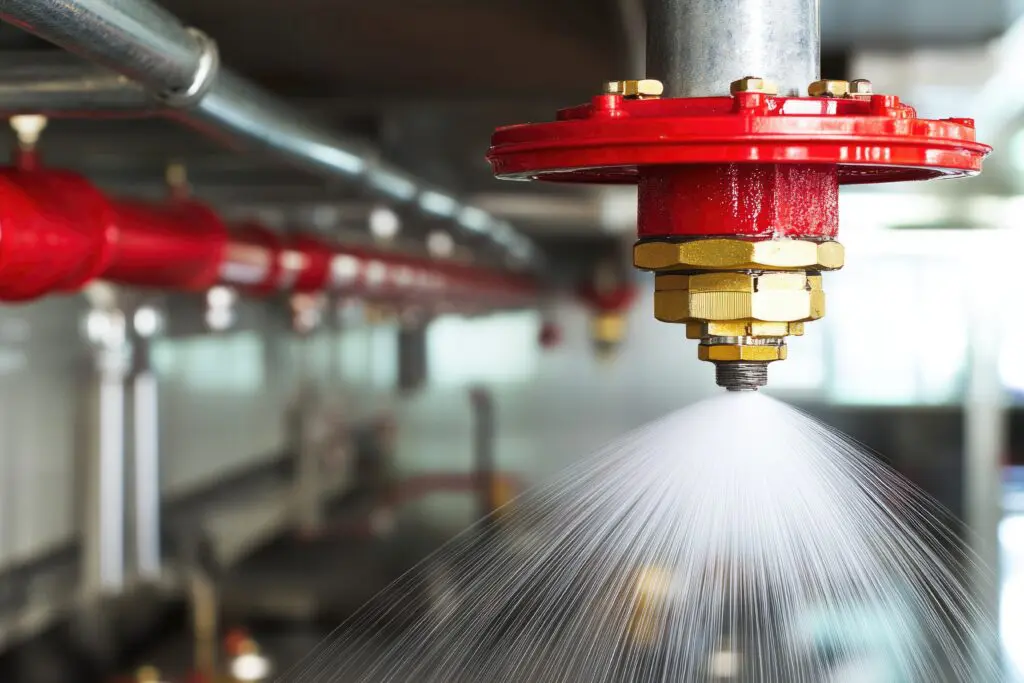
- Water-based Systems: Ideal for general office spaces and residential buildings.
- Chemical and Gas Systems: Used in areas with sensitive equipment, like data centers.
- Aerosol Systems: Suitable for confined spaces without occupancy.
Impact of Incorrect System Installation
Incorrect installation of fire suppression systems can lead to system failure and increased risk, emphasizing the need for specialized expertise in system design and implementation.
Practical Implementation Strategies
Installation and Maintenance
For systems to perform optimally:
- Ensure proper installation by certified technicians.
- Schedule regular inspections and maintenance as stipulated by Los Angeles regulations and the NFPA codes.
- Stay updated with the latest fire safety technologies and upgrades.
Fire Suppression Systems Los Angeles, CA: Safeguarding Your Assets
Investing in a robust fire suppression system is not just about compliance; it’s about ensuring business continuity, asset protection, and most importantly, the safety of occupants. Timely updates and professional setups are the kingpins of efficient fire safety management in Los Angeles.
FAQs
What is the best fire suppression system for a high-rise building in Los Angeles?
Water-based sprinkler systems are generally recommended due to their effectiveness in controlling and potentially extinguishing fires in high-rise structures.
How often should fire suppression systems be inspected?
Inspections should be conducted annually at the minimum, with more frequent assessments if indicated by the AHJ or as operational conditions warrant.
Are there subsidies or support programs for upgrading fire suppression systems?
Los Angeles may offer financial assistance or programs for buildings requiring upgrades to meet current fire codes. It’s advisable to consult with local authorities or fire safety consultants for detailed information.
Conclusion
Fire suppression systems in Los Angeles, CA are critical in maintaining safety and compliance. By understanding the specific risks and system requirements relevant to your property and ensuring adherence to all regulatory standards, you can enhance your building’s safety profile significantly. Remember, the goal is not just to comply, but to protect and prevent efficiently.