Automatic Sprinkler System Readiness and Audit Tips for Commercial Facilities in Newport Beach
Introduction to Automatic Sprinkler Systems
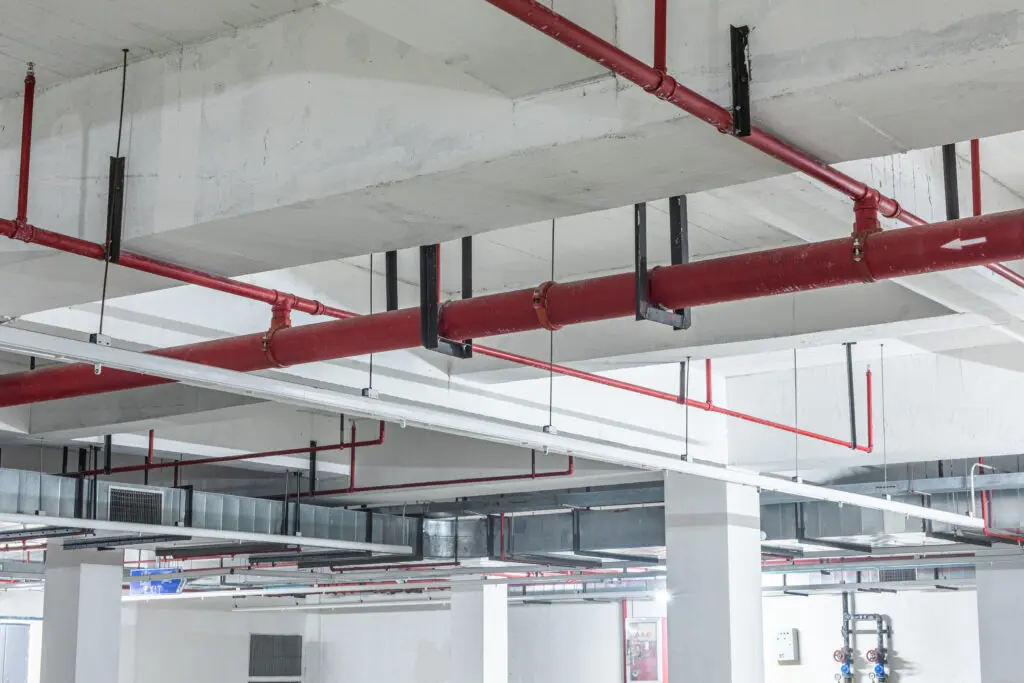
An automatic sprinkler system is a critical component of building safety, designed to detect and control fires with precision and efficiency. Understanding the functionality, regulatory compliance, and benefits of these systems is essential for ensuring the protection of assets and lives within a commercial facility.
Automatic Sprinkler System Essentials
Risks Associated with Inadequate Fire Protection
- Increased danger to life and property.
- Potential for significant financial losses due to fire damage.
- Legal ramifications including fines and penalties for non-compliance.
Clarification of Automatic Sprinkler System Operations
When heat from a fire activates the system, it discharges water directly to the affected area, thus preventing the spread of fire and minimizing damage.
Compliance with Codes and Standards
Ensuring your system adheres to the National Fire Protection Association (NFPA) requirements, including those specified in NFPA 13, is vital for legality and efficay.
Solution: Implementation and Regular Maintenance
Installing an up-to-code system and performing routine checks ensures optimal performance and adherence to Authority Having Jurisdiction (AHJ) mandates.
Automatic Sprinkler System Insights: Facility Readiness & Audit Preparation for Commercial Fire Protection
Pre-installation Considerations
- Assessment of facility’s specific needs based on size, type of occupancy, and fire risk.
- Coordination with a licensed fire protection engineer to design an optimal layout.
- Securing approvals from relevant local and national bodies.
Installation Process
The installation of an automatic sprinkler system must be carried out by certified professionals, ensuring that every component is correctly placed and functioning as specified in the design plans.
Maintenance and Compliance Assurance
Routine Maintenance
Regular inspections and servicing prevent system failures and are a requirement under NFPA 25 for the continued operational safety of fire sprinkler systems.
Compliance Audits
Regularly scheduled audits are crucial for verifying adherence to all applicable fire safety codes and discovering any deficiencies that need to be addressed.
FAQs about Automatic Sprinkler Systems
What regular maintenance is required for a system?
Monthly, quarterly, and annual inspections are typically necessary to ensure functionality, including tests on alarms, valves, and individual sprinkler heads.
How often should compliance audits be conducted?
Compliance audits should be performed annually to ensure every aspect of the system aligns with fire safety regulations and standards.
Are there different types of sprinkler systems for different buildings?
Yes, systems vary depending on building specifications and use. Consulting with a fire protection specialist can clarify which system type fits your facility’s needs.
Conclusion
In closing, a well-maintained and correctly implemented automatic sprinkler system is indispensable for the safety and operational certainty of any commercial environment. Ensuring compliance with fire protection codes not only safeguards against the devastating impacts of fires but also fortifies the entity’s reputation for safety and responsibility. Proactive management, adherence to NFPA guidelines, and regular audits are your best defenses against fire risks, reinforcing a culture of accountability and protection.