Exploring Dry Riser Systems: Proprietary vs Open Systems in Commercial Fire Safety
Understanding the Dry Riser System
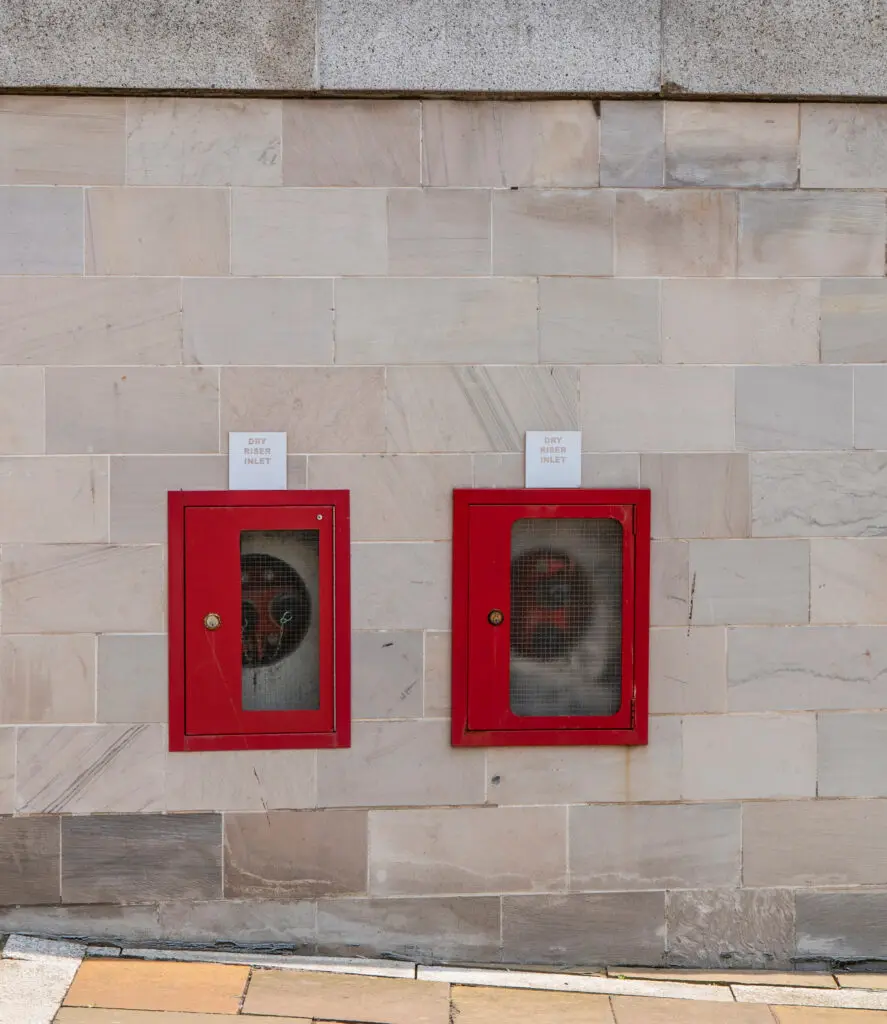
A dry riser system is a vital component in the fire protection strategies of multi-story buildings, enabling firefighters to effectively combat fires. These systems are required in buildings typically above 18 meters but below 60 meters, where direct firefighting access is challenging. Comprising a network of empty pipes that firefighters can connect to a water source on-site, the dry riser serves as a crucial firefighting tool.
Problem: High-Up Fires and Accessibility Challenges
In taller structures, reaching fires quickly becomes problematic. Traditional firefighting methods can be ineffective at these heights due to accessibility issues and delays in setting up equipment.
Risk: Increased Danger and Property Damage
Failure to control fires rapidly can result in significant property damage and increased risk to occupants’ safety. Efficient and immediate fire management is critical.
Clarification: Codes and Compliance
Compliance with codes such as NFPA (National Fire Protection Association) standards is mandatory. Local Authorities Having Jurisdiction (AHJ) may have additional requirements to ensure system efficacy and building safety.
Solution: Implementation of a Dry Riser System
Installing a dry riser system provides a direct, effective solution for delivering firefighting agents to the needed floors swiftly:
– Facilitates quicker response times
– Enhances fire safety in taller buildings
– Ensures compliance with fire safety regulations
Dry Riser System Insights: Proprietary vs Open Systems in Fire Safety Education
Proprietary Systems: These are custom solutions designed specifically for a building or a portfolio of properties. They often include enhanced features tailored to specific needs but may require specialized maintenance.
Open Systems: These systems use standard components that are widely available. This can facilitate easier maintenance and replacements but may not be as customized to the building’s specific requirements.
Installation and Maintenance
Proper installation and regular maintenance are key to the functionality of a dry riser. This includes annual checks and tests to ensure valves, joints, and pipes are operational and leak-free. Compliance with regular inspections is not just a regulatory requirement; it is essential for ensuring the system’s reliability in emergencies.
Key Considerations
- Regular testing and maintenance per NFPA standards and local regulations
- Immediate repair of any identified issues during inspections
- Training for facilities staff on system components and operation
Frequently Asked Questions
Who is responsible for maintaining the dry riser system?
The building owner or property manager is typically responsible for maintenance operations, ensuring compliance with local and national fire safety codes.
What happens if a dry riser fails during a fire?
A failure can severely impair firefighting efforts, potentially leading to greater damage or loss of life. This underscores the importance of stringent maintenance protocols and regular inspections.
Are there penalties for non-compliance?
Yes, failing to comply with fire safety regulations can result in fines, legal penalties, and increased insurance premiums, along with endangering lives and property.
Conclusion
The dry riser system is a fundamental aspect of fire safety in high-rise environments, ensuring fast and effective response capabilities. Adherence to fire safety regulations, regular maintenance, and understanding the operational aspects of these systems are imperative for building owners and managers. By ensuring these systems are consistently functioning at optimal levels, the safety of occupants and property can be substantially increased, reinforcing compliance clarity and operational certainty.