Fire Protection Services Insight: Ensuring Code Compliance and Safety Education
Understanding Fire Protection Services: A Comprehensive Guide
Fire protection services are vital for safeguarding lives, properties, and resources from the destructive power of fire. These services encompass a range of solutions designed to detect, contain, and extinguish fires, ensuring the safety and integrity of buildings and their occupants.
Identification of Fire Risks
Recognizing specific fire hazards within a structure is the first step towards effective fire management. Common risks include electrical faults, flammable materials, and operational errors.
- Electrical Systems: Overloaded circuits, outdated wiring, and malfunctioning appliances can lead to fires.
- Flammable Materials: Storage areas with paper, cloth, and flammable liquids pose significant risks.
- Human Error: Accidental or negligent use of equipment can initiate fires.
Compliance with Fire Safety Codes
Adhering to established fire safety codes such as the National Fire Protection Association (NFPA) codes is non-negotiable. These guidelines ensure that buildings are designed, maintained, and operated to minimize fire risks.
- Building Design: Structures should incorporate fire-resistant materials and designs that include proper egress routes and fire barriers.
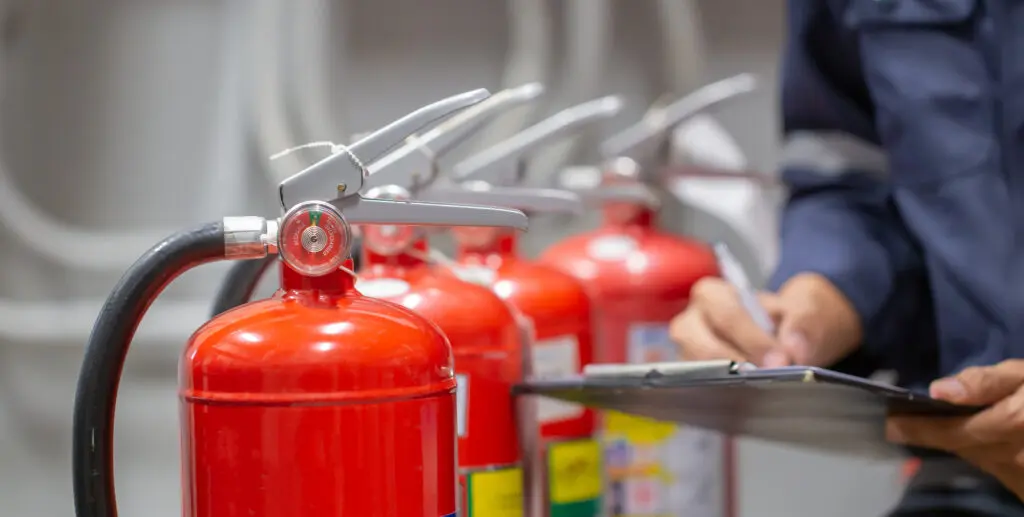
- Regular Maintenance: Inspecting and maintaining fire safety equipment like extinguishers, sprinklers, and alarms is crucial.
- Staff Training: Employees should be trained in fire prevention techniques and the proper use of fire safety equipment.
Effective Solutions in Fire Protection Services
Incorporating advanced fire protection services is essential for comprehensive safety. These include the installation of smoke alarms, fire suppression systems, and regular fire drills.
- Smoke Detectors: Early detection through smoke alarms can save lives by giving occupants time to evacuate safely.
- Fire Suppression Systems: Systems such as sprinklers can control and often extinguish a fire before it escalates.
- Emergency Drills: Regular drills ensure that building occupants are prepared for a fire emergency.
Fire Protection Services Insight: Code Compliance and Education Blog by Commercial Fire Protection
Role of Authority Having Jurisdiction (AHJ)
The AHJ plays a crucial role in the enforcement of fire codes. Building owners must collaborate with local fire marshals or building inspectors to ensure compliance with all applicable regulations.