Exploring Fire Suppression Systems: Emergency Responses and Failures in Commercial Settings
Understanding the Fire Suppression System: A Comprehensive Guide
Fire suppression systems are critical components in securing the safety and integrity of buildings and their occupants. A well-designed fire suppression system can drastically reduce the risk of extensive property damage and loss of life in the event of a fire.
The Importance of a Reliable Fire Suppression System
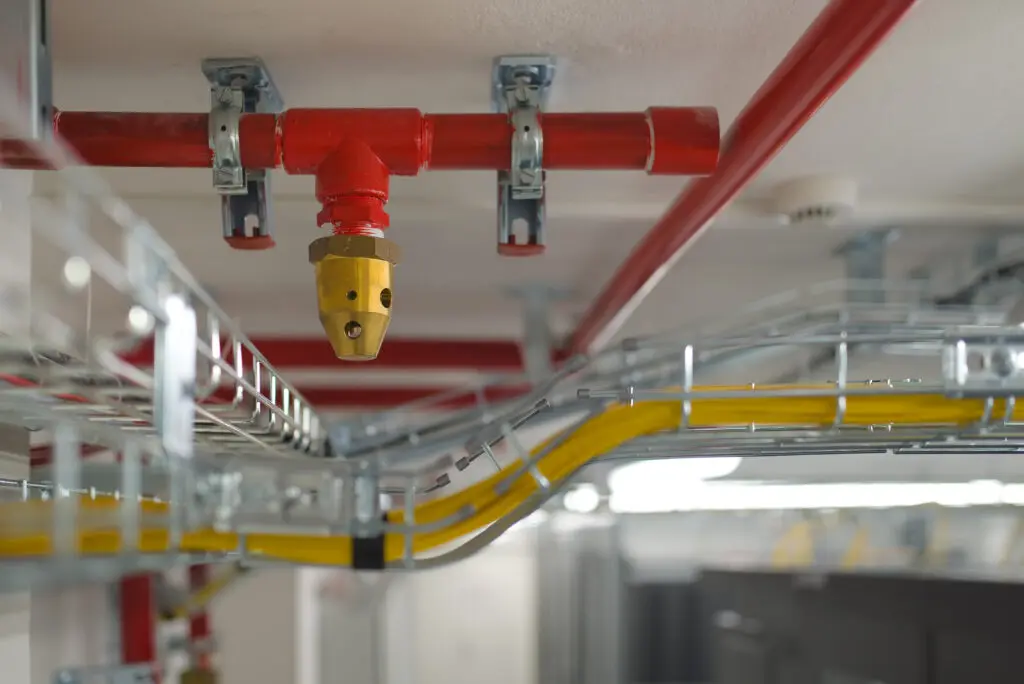
Ensuring the effectiveness of a fire suppression system is non-negotiable. It involves the installation of equipment designed to detect fires, alert the occupants or emergency services, and ultimately extinguish or control the fire. The choice of systems—from water-based to chemical agents, foam systems, or gaseous suppressants—depends heavily on the building’s use, occupancy, and architectural complexities.
Fire Suppression System Insights: Emergency Response and Failure Scenarios at Commercial Fire Protection
Commercial environments present unique challenges and risks when it comes to fire safety. Systems must be robust, responsive, and compliant with stringent codes such as those outlined by the National Fire Protection Association (NFPA).
Problem Identification and Risk Assessment in Fire Suppression
Identifying potential risks associated with the absence or failure of suppression systems is the first step towards safeguarding assets and lives:
- Inadequate system coverage can leave critical areas vulnerable.
- System failure due to poor maintenance or incorrect installation.
- Delayed detection causing a small incident to escalate into a disaster.
Clarification of Compliance Standards
Compliance with local and national codes is mandatory. The Authority Having Jurisdiction (AHJ) and standards like NFPA 13, NFPA 25, and NFPA 2001 guide the design, installation, and maintenance of these systems. Failure to comply not only risks lives but also exposes facility owners to legal repercussions.
Implementing Effective Fire Suppression Solutions
The implementation of a fire suppression system must be precise and tailored to the specific needs of a property. Here’s what needs considerations:
- Designing the system based on facility risk assessment and occupancy.
- Regular inspections and maintenance as per NFPA recommendations.
- Integration with building alarm systems and emergency response protocols.
Ensuring Compliance and Safety
Adherence to code-driven approaches and regular system evaluations are non-negotiable elements in the operational integrity of fire suppression systems. Facility managers, building owners, and compliance officers must prioritize these systems not just to avoid legal ramifications but to protect lives and property. Working closely with certified professionals and staying informed on the latest standards will lead to safer, more compliant environments.
Arming oneself with the right knowledge and systems is the best defense against fire risks, ensuring peace of mind and operational certainty.