Exploring Integrated Fire Protection Systems in Salt Lake City UT: A Comparative Guide for Businesses
Understanding Integrated Fire Protection Systems in Salt Lake City, UT
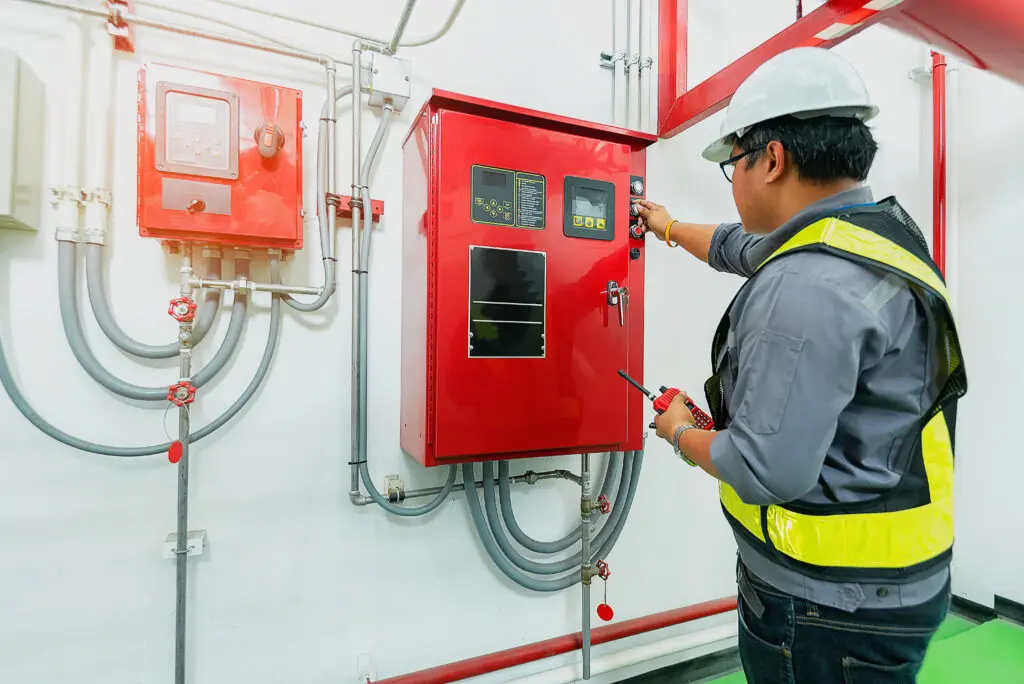
In the context of increasing urban density and regulatory scrutiny, property managers and building owners in Salt Lake City must prioritize advanced fire protection solutions. Integrated fire protection systems, which combine detection, alarm, suppression, and control functionalities into a seamless whole, are critical in safeguarding assets, lives, and property.
Why Opt for Integrated Systems?
Integrated fire protection systems offer a consolidated approach to fire safety, streamlining communication between different technologies and enabling quicker and more coordinated responses to emergencies. Here’s how these systems serve as a risk-reduction tool:
- Early detection and notification, reducing the time to evacuate
- Automatic activation of suppression systems, minimizing damage
- Centralized monitoring for efficient management and maintenance
Regulatory Compliance and Code Considerations
Adhering to local and national codes, such as those set by the National Fire Protection Association (NFPA), is non-negotiable. In Salt Lake City, UT, compliance with the AHJ (Authority Having Jurisdiction) requirements ensures that integrated fire protection systems meet all legal standards for performance and safety.
Navigating NFPA Regulations
NFPA 72 and NFPA 13 are two pivotal codes that guide the installation and maintenance of fire alarm systems and fire sprinkling systems, respectively. An understanding of these codes is essential for passing inspections and avoiding legal liabilities.
Proprietary vs Open Systems: Integrated Fire Protection Systems Insights for Salt Lake City UT
Choosing between proprietary and open fire protection system configurations is critical:
- Proprietary systems are designed, installed, and maintained by a single company. While offering seamlessly integrated service, they can lead to vendor lock-in and potentially higher costs for maintenance and expansion.
- Open systems, alternatively, are compatible with components from various vendors, which might decrease costs and increase flexibility but can also complicate system integration and support.
Which System Best Fits Your Needs?
The choice depends largely on specific building needs, budget constraints, and long-term maintenance considerations in Salt Lake City, UT. In both cases, ensuring that the integrated fire protection systems adhere to both state and federal regulations is imperative for safety and compliance.
Installation and Maintenance of Integrated Fire Protection Systems
Implementation of integrated fire protection systems Salt Lake City UT involves careful planning and professional execution. Here are the steps typically involved:
- Assessment of the property’s specific needs and risks
- Design of the system in accordance with NFPA standards and local codes
- Professional installation by certified technicians
- Regular maintenance to ensure optimal functionality
Regular maintenance not only complies with legal requirements but also ensures the system’s reliability when it matters most.
FAQs
-
Why integrate fire protection systems?
Integration enhances response times, operational efficiency, and overall safety during a fire emergency.
-
Are integrated systems more expensive?
While initial costs may be higher, the long-term benefits of efficiency and potentially lower insurance premiums can offset these costs.
-
How often should these systems be inspected?
Inspections should typically occur annually, but it’s wise to consult NFPA guidelines and local Salt Lake City requirements for specifics.
Conclusion
Integrated fire protection systems Salt Lake City UT are not just a regulatory requirement but a fundamental component of modern property management. By understanding and implementing these systems appropriately, building owners and managers ensure the safety of occupants and assets, while aligning with compliance mandates. Remember, the right system, properly installed and maintained, acts as the first, and often most critical, line of defense in the event of a fire.