Comprehensive Guide to Backflow Preventer Testing in San Jose, CA: Ensuring Facility Readiness and Audit Compliance
Understanding Backflow Preventer Testing in San Jose, CA
In San Jose, CA, ensuring the proper functioning of backflow preventers is not just a matter of regulatory compliance but a necessary step to protect public health and safety. Backflow preventers, crucial devices in preventing contamination of potable water supplies, must undergo routine testing to ensure they operate correctly.
What is a Backflow Preventer?
A backflow preventer is a device installed in plumbing systems to prevent water from flowing backward and contaminating clean water lines. This device is critical in commercial, industrial, and residential buildings where the risk of water contamination can be high.
Why is Testing Necessary?
- Compliance: Local codes and standards, including those recommended by the NFPA and enforced by Authorities Having Jurisdiction (AHJ), mandate regular backflow preventer tests.
- Safety: Testing prevents harmful contaminants from entering the drinking water system, thereby protecting inhabitants from health risks.
- Operational Integrity: Regular maintenance and testing ensure that backflow preventers work effectively, avoiding potential system failures.
San Jose Backflow Preventer Testing Insights: Facility Readiness & Audit Preparation Guide
For facility managers and building owners in San Jose, CA, understanding the local regulations and preparing for audits is crucial. Here are key considerations and steps in ensuring your backflow preventers are compliant and functional:
Understanding Local Regulations
San Jose adheres to strict guidelines on backflow prevention and testing. Familiarizing yourself with these regulations and the specific requirements laid out by the local AHJ is crucial in maintaining compliance and avoiding penalties.
Required Documentation
Keep all records of installation, maintenance, and annual inspections readily available. These documents are often required during audits and inspections by regulatory bodies.
Annual Testing and Maintenance
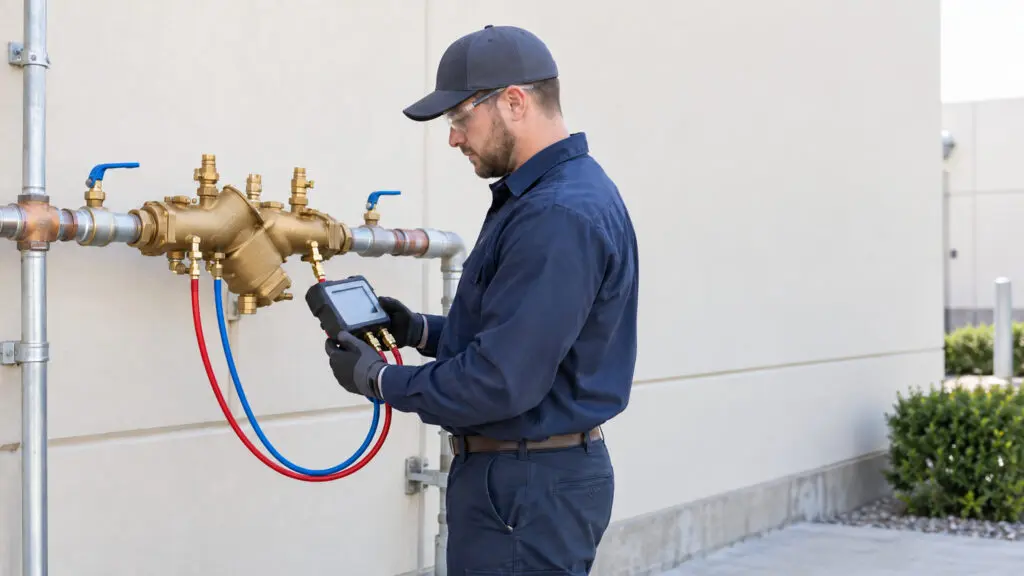
Engaging certified professionals for annual backflow preventer testing in San Jose, CA is essential. These experts not only perform the required tests but also provide certification that your devices are compliant with local standards.
Identifying Risks
Risk management is a critical component of backflow preventer testing. Identifying potential failure points in your system can prevent significant health hazards and operational disruptions.
Best Practices for Backflow Preventer Testing
Adhering to best practices in backflow preventer testing ensures that your equipment remains in optimal working condition and compliant with local codes:
- Use certified and experienced professionals for backflow preventer testing San Jose CA.
- Conduct tests during low-usage times to minimize disruption to your water supply.
- Implement corrective actions promptly based on test results.
FAQs About Backflow Preventer Testing
How often should backflow preventers be tested?
Local San Jose regulations typically require annual testing. However, it may vary based on the device’s model and usage intensity.
What happens if my backflow preventer fails the test?
A failed test requires immediate corrective measures to replace or repair the faulty device, followed by a retest to confirm compliance.
Can I conduct the test myself?
Only certified professionals should perform backflow preventer tests to ensure accuracy and compliance.
Conclusion
To maintain water integrity and compliance in San Jose, routine backflow preventer testing is non-negotiable. By understanding the risks, adhering to local codes, and employing qualified professionals for testing and maintenance, you ensure the safety and efficiency of your water systems. Remember, prevention through diligent testing is your first line of defense against potential water contamination risks.