Emergency Lighting Inspection in Seattle WA: Your Comprehensive Guide for Readiness and Audit Preparation
Introduction to Emergency Lighting Inspection in Seattle, WA
Ensuring the safety and compliance of a building’s emergency lighting system is a critical responsibility for property managers and facility owners in Seattle, WA. Regular inspections are not only a legal requirement but a fundamental aspect of risk management. Here, we explore the importance of emergency lighting inspection Seattle WA, highlighting the potential risks of non-compliance and providing a clear framework for managing these systems effectively.
Understanding Emergency Lighting Compliance
The Role of Emergency Lighting
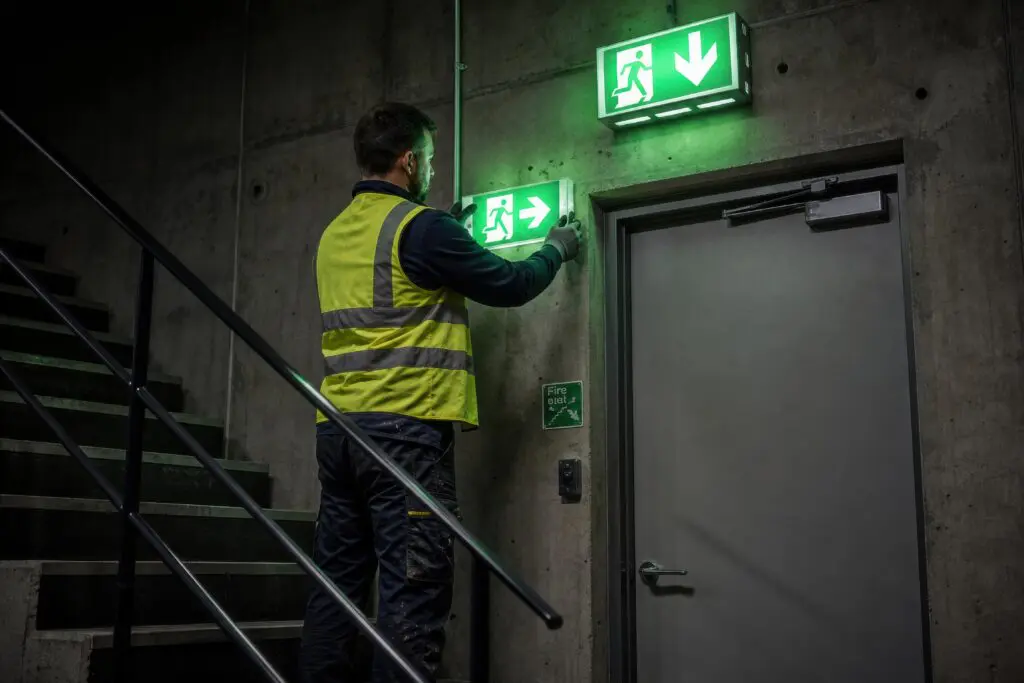
Emergency lighting serves as a crucial navigational guide in cases of power failure, enabling safe egress from a building during emergencies. The functionality of these systems is not optional but a stringent safety requirement outlined by the NFPA 101, the Life Safety Code, among other regulations.
Regulatory Standards and Seattle’s Requirements
In Seattle, adherence to local Authority Having Jurisdiction (AHJ) and National Fire Protection Association (NFPA) standards is mandatory. These bodies outline the inspection frequencies, operational criteria, and maintenance processes necessary to ensure safety and compliance.
Risks Associated with Neglected Emergency Lighting Systems
- Increased Hazard During Emergencies: Ineffective emergency lighting can lead to disorientation, increasing the risk of accidents.
- Legal and Financial Repercussions: Non-compliance can result in fines, legal action, and insurance complications, impacting the operational bottom line.
- Reputational Damage: Safety incidents can harm the reputation of a business, affecting trust and credibility.
Annual Inspections: A Step-by-Step Guide
Seattle Fire Safety Readiness: Your Guide to Emergency Lighting Inspection emphasizes a structured inspection process:
- Initial Assessment: Evaluate the installation and operability against AHJ and NFPA standards.
- Functional Testing: Conduct tests on battery, chargers, and bulbs to ensure operability during a power outage.
- Documentation Review: Verify maintenance records, manufacturer guidelines, and previous audit findings.
- Rectification Measures: Address identified faults immediately to ensure continuous compliance and safety.
Audit Preparation for Emergency Lighting Systems
Preparing for an audit involves a comprehensive review and rectification of all components of the emergency lighting systems. Compliance officers should ensure:
- That all emergency lights activate within the required time frame during testing.
- Maintenance and testing schedules comply with NFPA standards and local codes.
- Timely updates to logbooks and systems to reflect real-time operational status.
Frequently Asked Questions
How often should emergency lighting systems be inspected?
In Seattle, WA, emergency lighting systems should be inspected at least annually to align with NFPA requirements. However, more frequent inspections may be necessary based on the specific demands of the facility or previous audit outcomes.
Who is authorized to perform emergency lighting inspections?
Inspections should be carried out by qualified electricians or technicians who specialize in fire safety and emergency systems and have an understanding of local Seattle safety regulations.
What are the penalties for non-compliance?
Penalties can range from fines to more severe legal implications, including forced closures of non-compliant facilities. Ensuring timely inspections mitigates these risks substantially.
Conclusion
Adherence to emergency lighting regulations is fundamental for safety and compliance in Seattle, WA. Regular inspections, coupled with adhering to a rigorous emergency lighting inspection Seattle WA protocol, are essential for maintaining operational readiness and ensuring the safety of all occupants. By taking proactive steps, facility managers can safeguard against risks, uphold compliance, and ensure a secure environment for everyone.