Expert Guide to Smoke Control Inspection and Fire Safety in Houston, TX
Understanding Smoke Control Inspection in Houston, TX
Smoke control systems are a critical component in the safety infrastructure of buildings, particularly in urban environments like Houston, TX. Ensuring these systems are functioning properly is not just about compliance; it’s about ensuring safety in the event of a fire. This article provides an in-depth look into the necessity, processes, and compliance considerations of smoke control inspection Houston TX.
Importance of Smoke Control Systems
Smoke control systems are designed to manage and minimize the movement of smoke during a fire. They are vital for maintaining visibility, reducing the risk of inhalation injuries, and providing a clearer path of egress for occupants and entry routes for emergency responders.
Problem: Inadequate Management of Smoke
- Risk of increased casualties
- Possibility of extensive property damage
Risk: Non-Compliance with Safety Codes
Lack of regular inspections and maintenance can lead to failures in system operations, resulting in non-compliance with the National Fire Protection Association (NFPA) standards and local AHJ (Authority Having Jurisdiction) regulations.
Clarification: Regulatory Requirements
The NFPA provides guidelines under which smoke control systems must operate. These guidelines are crucial for maintaining safety and minimizing risk in buildings.
Solutions: Smoke Control Inspection Protocol
Regular inspections offer a proactive approach to ensure that all components of a smoke control system are in optimal working condition. This segment details the typical inspection process.
- Initial assessment of the system’s design and installation
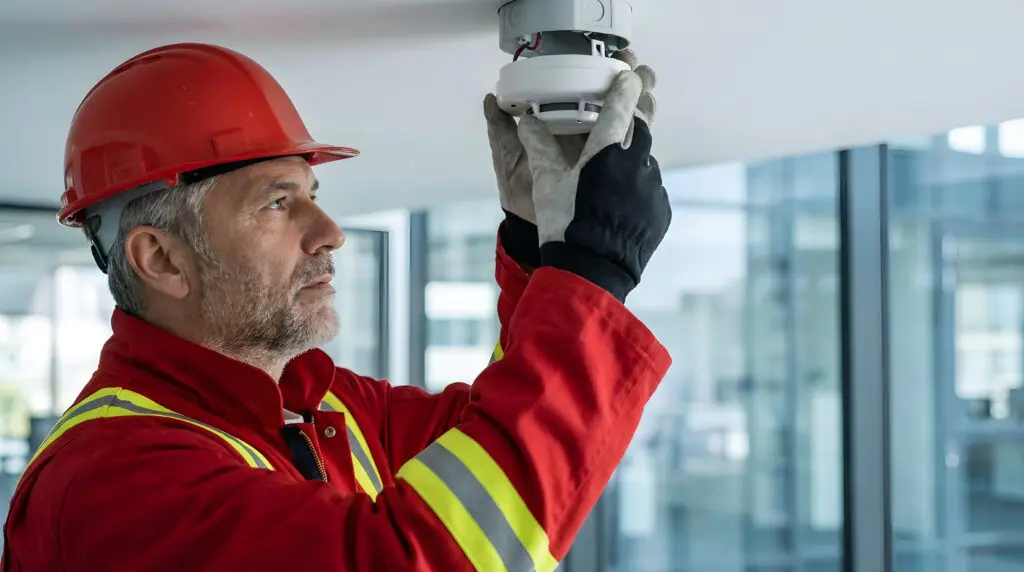
- Physical inspection of vents, fans, dampers, and control panels
- Functional testing of fans and dampers for operational readiness
- Verification of the system’s integration with fire alarm systems
The Inspection Process of Smoke Control Systems in Houston, TX
Houston Emergency Insight: Smoke Control Inspection and Fire Safety Failures
To best understand the scope of a smoke control inspection Houston TX, it is important to recognize common points of failure detected during inspections. These include blocked smoke vents, malfunctioning dampers, and outdated control systems.
- Identification and resolution of blockages in smoke passages
- Testing and calibration of smoke detectors and fire alarms
- Updating system software to ensure compatibility with current fire safety protocols
Frequently Asked Questions About Smoke Control Inspections
Who is responsible for ensuring the proper functioning of smoke control systems?
Building owners and property managers are directly accountable for the maintenance and testing of smoke control systems to ensure ongoing compliance with safety regulations.
How often should smoke control systems be inspected?
The NFPA and local AHJ rules generally dictate that smoke control systems should be inspected annually to ensure full operational capability and compliance.
What happens if a smoke control system fails an inspection?
Failure to pass an inspection typically results in a set of corrective actions required to meet compliance. Re-inspection is necessary to verify that all issues have been properly addressed.
Conclusion: Ensuring Compliance and Safety
Staying informed and diligent in the maintenance of smoke control systems is crucial in mitigating risks and enhancing the safety of building occupants in Houston, TX. Whether you are a building owner, property manager, or compliance officer, understanding and applying the principles discussed in this article will help ensure safety is maintained at the highest standards.