Commercial Fire Protection San Jose CA: Insights on ITM Best Practices and Effective System Choices
Introduction to Commercial Fire Protection in San Jose, CA
Ensuring the safety and compliance of buildings in San Jose, CA, from fire hazards requires a strategic approach to commercial fire protection. This article addresses the critical importance of installing, maintaining, and monitoring fire protection systems to mitigate risks and maintain compliance with regulatory standards like NFPA (National Fire Protection Association) and local AHJ (Authority Having Jurisdiction) requirements.
Understanding the Risks
In San Jose, the risk posed by fire to commercial properties can be catastrophic, potentially leading to significant financial loss, injury, or even death. These risks elevate the necessity for a well-planned fire protection strategy to protect assets and lives.
Common Fire Hazards in Commercial Buildings
- Electrical malfunctions
- Storage of flammable materials
- Inadequate wiring and overloading of circuits
Regulatory Compliance
Compliance with fire protection standards is not just a regulatory requirement but a pivotal factor in safeguarding businesses against potential fires. San Jose businesses must adhere to codes set forth by the NFPA, as well as local enforcement by the AHJ.
Key Codes and Standards
- NFPA 101: Life Safety Code
- California Building Code: Fire Safety Provisions
- Local San Jose Fire Ordinances
Commercial Fire Protection San Jose CA Insights: ITM Best Practices and System Choices
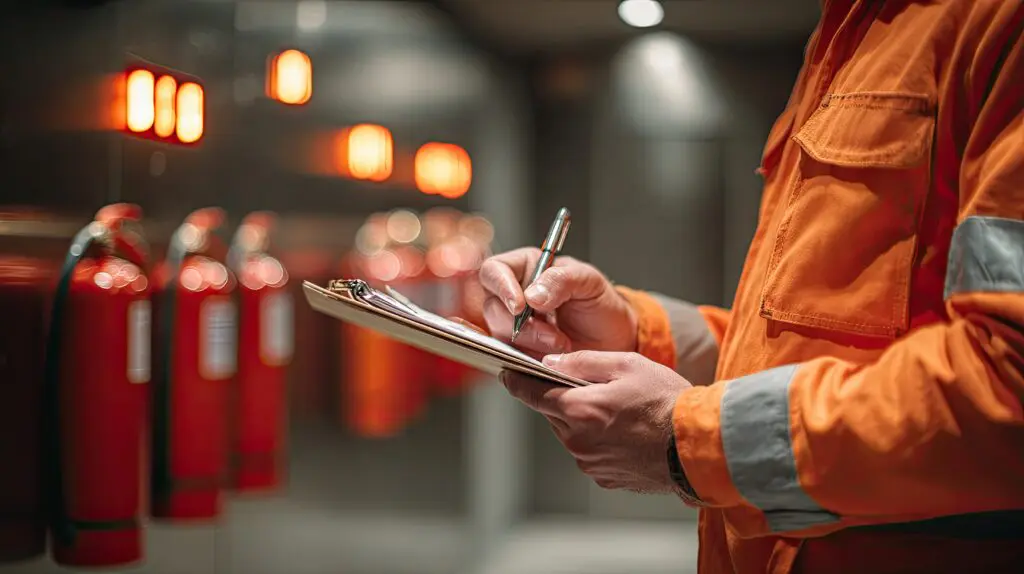
To effectively manage fire risks, businesses must engage in Inspection, Testing, and Maintenance (ITM) of fire protection systems. Selecting the right systems such as sprinklers, alarms, and extinguishers, tailored to specific commercial needs, plays a critical role.
Choosing the Correct Fire Protection Systems
- Assess the specific risks associated with the property
- Determine system type based on property layout and use
- Implement regular ITM to ensure functionality at all times
Implementing a Fire Protection Plan
Effective fire protection in San Jose requires a comprehensive plan that includes system installation, regular audits, and employee training.
Installation and Maintenance
Professional installation and maintenance of fire protection systems are crucial. It guarantees that systems function as intended and are compliant with the most recent safety codes.
Periodic Audits
Audits ensure systems are up-to-code and identify any necessary upgrades or maintenance, reinforcing the safety infrastructure of the building.
Training and Drills
Regular training and fire drills ensure that all occupants are prepared to act appropriately during a fire, potentially saving lives and minimizing damage.
FAQs
What are the legal requirements for fire protection in San Jose, CA?
Businesses must comply with local fire codes, California state regulations, and NFPA standards. It includes system installations, regular inspections, and adherence to safety protocols.
How often should fire protection systems be inspected?
The NFPA and local AHJ guidelines typically recommend at least annual inspections, with more frequent checks for certain system types or in higher risk environments.
Can I perform fire system inspections internally?
While internal checks can be conducted, it’s critical to have systems formally inspected and certified by licensed professionals to ensure full compliance and operational functionality.
Conclusion
Maintaining stringent compliance with fire protection standards is essential for safety and legal conformity in San Jose, CA. Implementing a robust fire protection plan with regular ITM practices ensures that commercial environments are well-equipped to handle fire emergencies, minimizing risk and enhancing protection for both property and life.