
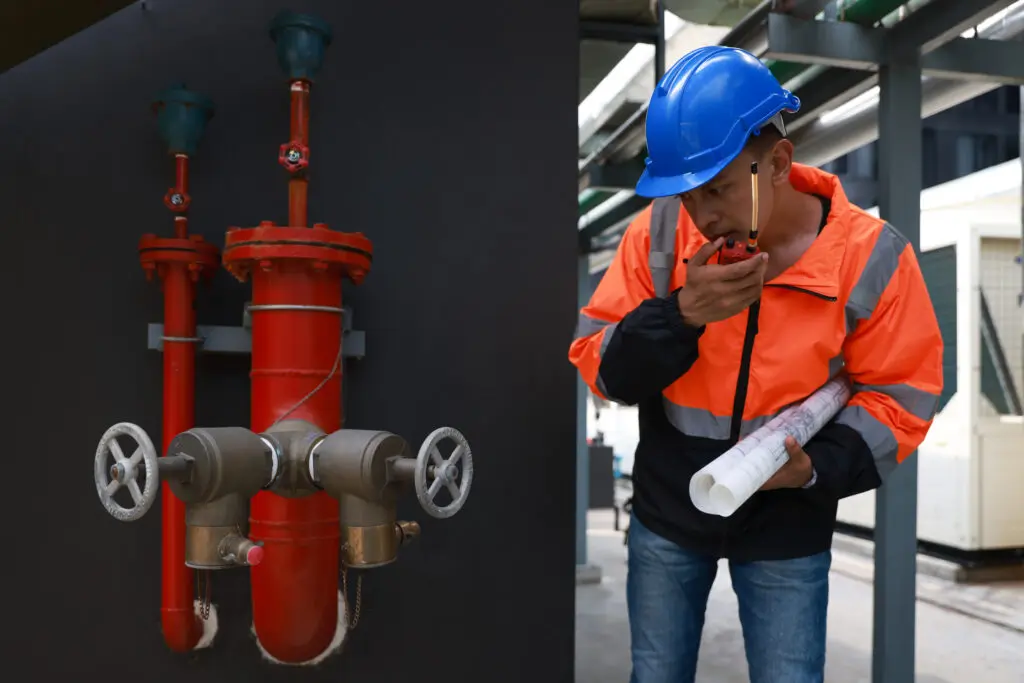
Standpipe Inspection in Houston, TX: Ensuring Commercial Fire Safety and Compliance
Understanding Standpipe Inspection in Houston, TX: A Guide to Compliance and Safety
Maintaining reliable fire protection systems is essential for commercial buildings throughout Houston, Texas. Standpipe systems play a critical role in helping firefighters access water during emergencies, particularly in high-rise buildings and large commercial facilities.
Regular standpipe inspection in Houston, TX helps property owners and facility managers identify potential system deficiencies, maintain operational readiness, and support compliance with applicable fire safety regulations.
Understanding inspection requirements, potential risks, and maintenance best practices can help Houston businesses protect their properties and occupants.
Why Standpipe Inspection Matters for Houston Commercial Properties
Standpipe systems provide strategically located hose connections that firefighters can use to access water throughout a building. These systems are particularly important in multistory structures where transporting water from ground level can be challenging.
Houston’s commercial properties, including office buildings, healthcare facilities, residential towers, and industrial buildings, depend on properly maintained fire protection systems to support emergency response.
Common Problems Associated With Standpipe Systems
Without proper inspection and maintenance, standpipe systems may develop problems that affect their performance during emergencies.
Common concerns include:
- Damaged or leaking valves and hose connections.
- Corrosion or deterioration within system components.
- Obstructed or inaccessible standpipe connections.
- Inadequate water pressure or flow.
- Missing or damaged protective caps.
- Improperly maintained fire department connections.
Identifying these problems through routine inspections helps reduce the likelihood of system failure when emergency personnel need access to water.
Understanding Standpipe Inspection Requirements in Houston, TX
Standpipe inspection and maintenance requirements are generally addressed under NFPA 25, the Standard for the Inspection, Testing, and Maintenance of Water-Based Fire Protection Systems.
Houston commercial property owners should also follow the locally adopted fire code and requirements established by the Houston Fire Department and the applicable Authority Having Jurisdiction (AHJ).
Inspection and testing activities may include:
- Visual examinations of standpipe piping and accessible components.
- Inspection of hose valves and connections.
- Verification that equipment remains accessible.
- Assessment of visible damage, corrosion, or leakage.
- Required flow and pressure testing.
- Documentation of identified deficiencies and corrective actions.
Different standpipe components have different inspection and testing intervals. Some inspections may be required annually, while certain performance tests occur at longer intervals or under specific circumstances.
Working with qualified fire protection professionals helps property managers determine the appropriate inspection schedule for their buildings.
Best Practices for Standpipe Inspection in Houston, TX
A proactive approach to standpipe maintenance helps commercial property owners support fire safety and minimize unexpected system problems.
Schedule Regular Professional Inspections
Establish an inspection and testing schedule based on applicable NFPA standards, Houston fire code requirements, and the building’s specific standpipe configuration.
Address Deficiencies Promptly
Leaks, damaged valves, blocked connections, and other deficiencies should be evaluated and corrected by qualified professionals according to their severity and applicable requirements.
Maintain Accurate Inspection Records
Keep detailed documentation of inspections, testing results, identified deficiencies, repairs, and maintenance activities. These records help demonstrate compliance and support future inspections.
Keep Standpipe Connections Accessible
Ensure that hose connections, valves, and fire department connections remain clearly identified and unobstructed so emergency personnel can access them when needed.
Evaluate Aging Fire Protection Systems
Older Houston commercial buildings may benefit from additional system evaluations to identify deteriorating components, outdated equipment, or potential maintenance concerns.
Frequently Asked Questions About Standpipe Inspection in Houston, TX
How often should standpipe systems be inspected in Houston?
Inspection and testing frequencies depend on the system components, applicable edition of NFPA 25, and local fire code requirements. Many standpipe components require annual inspections, while other testing activities follow different schedules.
Who can perform standpipe inspections in Houston, TX?
Standpipe inspections and testing should be performed by qualified fire protection professionals who hold the appropriate Texas licenses or registrations for the work being conducted.
What happens if a standpipe system fails an inspection?
If deficiencies are discovered, property owners should arrange appropriate corrective action. Significant impairments may also require additional safety procedures, notifications, or other measures established by the applicable fire code and AHJ.
Why are standpipe inspections important for high-rise buildings?
Standpipe systems allow firefighters to access water at designated locations throughout a building. Regular inspections help verify that these systems remain accessible and capable of supporting firefighting operations.
Protect Your Houston Property With Regular Standpipe Inspections
Standpipe inspection in Houston, TX is an important part of maintaining commercial fire protection systems and supporting building safety.
By scheduling appropriate inspections, addressing deficiencies, and maintaining accurate records, property owners and facility managers can help keep their systems prepared for emergencies while meeting applicable fire safety requirements.
Prioritizing professional standpipe inspection and maintenance helps Houston businesses protect their buildings, occupants, and long-term operations.